
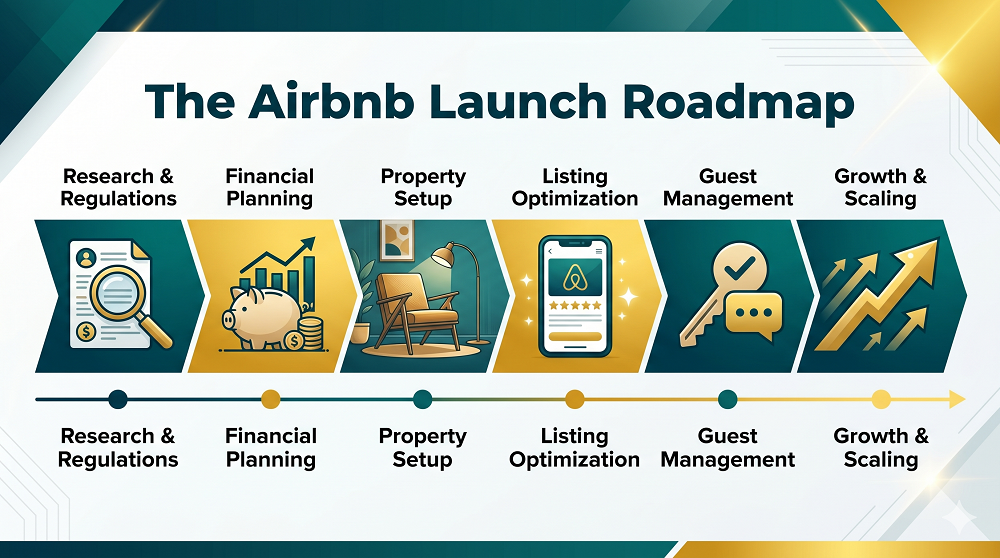
Starting a profitable Airbnb business in Canada requires navigating specific municipal zoning bylaws, regional tax regulations, and competitive market dynamics. This 2026 guide outlines the essential step-by-step process for Canadian hosts, from securing mandatory short-term rental permits and GST/HST registration to optimizing your property for high-occupancy ROI. Whether you are operating in a major metropolitan hub like Toronto or Vancouver, or a local tourist destination, this resource provides the operational strategy and compliance checklist needed to transform a property into a scalable, high-performance income asset.
Canada’s short-term rental market is full of opportunities, whether you’re renting out a spare room, an investment property, or even a unique stay like a cabin or tiny home. The key is to find a niche that fits your location, budget, and hosting style while ensuring your listing stands out from the competition.
In this guide, we’ll walk you through the step-by-step process of starting an Airbnb business in Canada from researching local regulations and setting up your space to attracting guests and maximizing your profits. You’ll get practical tips, proven strategies, and expert insights to help you launch and grow a successful Airbnb business.
Let’s dive in and turn your property into a profitable Airbnb rental!
Key Takeaway:
- Starting an Airbnb business involves selecting a profitable location, understanding local regulations, and choosing a suitable property strategy such as owning, renting (rental arbitrage), or co-hosting. Each model has different upfront costs and risk levels. [1]
- Setup essentials: Furnish the space professionally, create a compelling listing with high-quality photos, optimize pricing, and define clear house rules. Guest experience and presentation directly impact occupancy and reviews. [1]
- Growth strategies: Use dynamic pricing tools, automate check-ins, and maintain excellent communication to increase ratings. Positive reviews drive visibility and long-term profitability on the platform. [2]
- Common pitfalls: Ignoring legal requirements, underestimating operational costs, and neglecting guest experience can limit success. Consistent management and compliance are key to sustaining income. [2]
Bottom Line: Building a successful Airbnb business requires smart property selection, strong listing optimization, and excellent guest experience. Treat it like a real business—optimize, automate, and scale strategically.
- Source: Unleash Your Power – How to Start an Airbnb Business
- Source: Unleash Your Power – Business Growth Insights
The MBR Framework (Mindset – Business – ROI)
The MBR Framework for Airbnb Success
Before you list, apply the MBR framework to ensure long-term stability:
- Mindset: Shift from “landlord” to “hospitality entrepreneur.” Your success depends on your ability to solve guest problems before they arrive.
- Business: Treat the rental as a corporate entity. This includes separate accounting, insurance, and professional cleaning protocols.
- ROI: Focus on “Net Operating Income” (NOI). Don’t just track revenue; track your profit after taxes, platform fees, and maintenance costs.

Startup Costs (Data)
Estimated Startup Costs (2026 Data)
- Low-End (Furnishing a Spare Room): $2,000 – $5,000
- Mid-Range (Full Property Setup): $8,000 – $15,000
- High-End (Design-Focused / Premium): $20,000+
- Key Variable: Professional photography and high-speed Wi-Fi upgrades offer the highest ROI on your initial investment.
Canadian Airbnb Compliance Checklist
- Municipal Zoning: Check local bylaws regarding “Primary Residence” requirements.
- Registration: Obtain your mandatory city-specific Short-Term Rental (STR) permit.
- Tax ID: Register for GST/HST if your revenue exceeds the $30k threshold.
- Liability: Secure $1M+ in liability insurance specifically for short-term commercial use.
How to Reach Superhost Status in 90 Days
- Speed: Respond to all inquiries within 30 minutes.
- Reliability: Use smart locks to ensure 24/7 self-check-in.
- Comfort: Invest in high-thread-count linens and a dedicated, ergonomic workspace.
- Feedback: Proactively ask for feedback on Day 2 of the stay to fix issues before the checkout review.
Step 1: Research and Planning
Understand the Market
Before jumping in, take some time to research whether Airbnb is a good fit for your area. Some locations attract lots of guests, while others may not have high demand.
- Use tools like AirDNA, Mashvisor, or Airbnb’s data to see how often places are booked, how much hosts charge per night, and what the busy seasons are.
- Identify who your ideal guests are tourists, business travelers, families, or remote workers. This will help you design your space and market it better.
- Check out other Airbnb listings in your area to see what works and how you can stand out.
Know the Rules and Regulations
Each city and province in Canada has different rules for short-term rentals. Some places allow them freely, while others require permits, licenses, or taxes.
- Check your local regulations cities like Toronto, Vancouver, and Montreal have specific short-term rental laws.
- Register for GST/HST if you expect to earn more than $30,000 per year from Airbnb.
- Make sure you have proper insurance regular home insurance might not cover short-term rentals, so look into Airbnb’s Host Protection Insurance or separate rental insurance.
Plan Your Finances
Before you start, it’s important to know how much money you’ll need to invest and how much you can earn.
- Startup costs include buying or renting a property, renovations, furniture, cleaning supplies, and professional photos for your listing.
- Ongoing costs include utilities, maintenance, cleaning, Airbnb service fees, and marketing.
- Set clear financial goals and figure out how much you need to charge per night to cover your costs and make a profit.
Step 2: Find and Set Up Your Property

Choose the Right Location
Not every property makes a great Airbnb. The best locations are near tourist attractions, public transport, universities, or business hubs.
- If you own a property, great! Just check that Airbnb is allowed in your building or neighborhood.
- If you rent, make sure your landlord allows short-term rentals many leases prohibit subletting.
Furnish and Decorate Your Space
First impressions matter! Guests are more likely to book your place if it looks stylish, comfortable, and inviting.
- Use modern and cozy furniture that’s easy to clean and maintain.
- Offer essentials like Wi-Fi, a fully stocked kitchen, fresh linens, toiletries, and a TV with streaming services.
- Add small personal touches like local artwork, guidebooks, or a welcome basket with snacks to make guests feel at home.
Ensure Safety and Compliance
Your Airbnb should be safe and up to code.
- Install smoke detectors, carbon monoxide detectors, fire extinguishers, and a first aid kit.
- Make sure the property follows local building and safety rules.
- Provide clear instructions for emergencies, like the nearest hospital and emergency exits.
Step 3: Create a Winning Airbnb Listing

Sign Up and Set Up Your Account
- Register on Airbnb.com as a host.
- Complete your profile with a friendly photo and bio guests trust hosts who have detailed profiles.
Write an Eye-Catching Listing
Your listing is what makes guests decide to book your place, so make it detailed and appealing.
- Use an attractive title like “Modern Condo with Stunning City Views” instead of just “1-Bedroom Apartment.”
- Write a great description highlighting unique features, nearby attractions, and why guests will love staying there.
- Upload high-quality photo listings with professional photos to get more bookings. If you can, hire a professional photographer.
Set Your Prices and House Rules
- Use pricing tools like Airbnb Smart Pricing or Beyond Pricing to adjust your rates based on demand.
- Set clear house rules for example, “No parties,” “No smoking,” or “Pets allowed.”
- Choose a cancellation policy Airbnb offers flexible, moderate, or strict policies, so pick the one that works best for you.
Step 4: Manage Your Airbnb Like a Pro

Make Check-In and Check-Out Easy
A smooth check-in process means happier guests.
- Offer self-check-in with a smart lock, keypad, or lockbox so guests don’t have to wait for you.
- Provide clear check-in instructions with photos or a video to make it easy for them to access the property.
Keep Your Property Clean and Well-Maintained
Cleanliness is one of the biggest factors in getting good reviews.
- Hire a reliable cleaning service to keep your place spotless.
- Have a maintenance team ready for quick repairs.
- Keep extra toiletries, towels, and basic supplies so guests always have what they need.
Communicate with Guests Professionally
Guests appreciate quick responses.
- Use Airbnb’s automated messaging tools to send check-in details, welcome messages, and check-out reminders.
- Respond to questions within 24 hours to keep your response rate high.
- Handle any guest complaints or issues professionally and politely.
Step 5: Market and Grow Your Business

Promote Your Listing Outside of Airbnb. To get more bookings, promote your Airbnb on:
- Social media (Instagram, Facebook, TikTok)
- Local tourism websites and travel groups
- Partnerships with nearby cafes, tour guides, and businesses
Go the Extra Mile for Guests
Guests love small gestures that make their stay special.
- Leave a welcome gift (like chocolates or a bottle of wine).
- Provide a local guide with restaurant and sightseeing recommendations.
- Offer unique experiences like bike rentals or cooking classes to stand out from other listings.
Expand Your Business Over Time
Once you get the hang of hosting, you can grow your Airbnb business.
- Upgrade your property with better furniture or extra amenities.
- Invest in more properties if you want to scale up.
- Hire a property manager if you don’t want to handle bookings and cleaning yourself.
Step 6: Handle Finances and Legal Requirements

Keep Track of Your Income and Expenses
Use accounting software like QuickBooks or Wave to manage your Airbnb income and expenses. Keep records of:
- Rental income
- Cleaning and maintenance costs
- Tax payments
File Your Taxes Correctly
- Report your Airbnb earnings on your tax return.
- Claim deductions like utilities, mortgage interest, and maintenance to reduce your taxable income.
- Talk to a tax professional to make sure you’re following all Canadian tax laws.
Get the Right Insurance
Make sure you have short-term rental insurance that covers:
- Property damage
- Liability (if a guest gets injured)
- Loss of income in case of cancellations or accidents
Case Study: “The Toronto Condo Pivot”
One of our clients, a property owner in downtown Toronto, was struggling with a 60% occupancy rate and “thin” profit margins. By applying the MBR framework, they:
- Re-positioned: Stopped targeting budget travelers and pivoted to “Corporate Remote Workers” by upgrading the Wi-Fi and adding a desk.
- Automated: Implemented automated messaging, which increased their response speed, bumping their search ranking on Airbnb.
- The Result: Within 6 months, their occupancy rate jumped to 85%, and their nightly rate increased by 22% due to “Business Traveler” demand.
Final Thoughts
Starting an Airbnb in Canada can be a great way to generate income, but real success comes from treating it like a business, not just a side hustle. The most profitable hosts take the time to understand their market, optimize their pricing, and create a memorable guest experience that leads to repeat bookings and 5-star reviews.
But here’s where most people get stuck they focus on short-term wins instead of building a long-term, scalable business. The key is to think beyond just listing your property. Branding, automation, strategic pricing, and market positioning all play a role in turning your Airbnb into a steady income stream.
I’ve worked with entrepreneurs across industries, helping them shift from reactive decision-making to proactive growth strategies. The same principles apply to Airbnb those who plan ahead, optimize their operations, and think like a business owner will always outperform those who simply “hope for bookings.”
If you’re serious about growing your Airbnb into a real business, having the right strategy in place can make all the difference. Want to explore ways to maximize your earnings and scale your rental business? Let’s connect and create a game plan that works for you.
Frequently Asked Questions About Starting an Airbnb Business
Does Airbnb cover property damage in Canada?
Yes, via “AirCover,” but it is not a replacement for comprehensive commercial liability insurance. Always consult a local broker.
How do I start an Airbnb business step by step?
To start, research local laws, set up a suitable property, and create a detailed Airbnb listing with quality photos. Next, set competitive pricing, establish house rules, and market your property. Finally, manage guest communication and maintain excellent reviews for repeat book
What are the legal requirements for starting an Airbnb business?
Legal requirements vary by city. You may need a business license, short-term rental permit, or to follow zoning regulations. Some cities also require hosts to collect lodging taxes. Always check your local government rules before listing your property to avoid fines.
How much does it cost to start an Airbnb business?
Startup costs range from a few hundred to several thousand dollars, depending on property type and condition. Expenses include furniture, décor, cleaning supplies, insurance, and platform fees. Many hosts begin with existing homes or spare rooms to minimize initial costs.
Airbnb vs long-term rental which is more profitable?
Airbnb often generates higher monthly income due to nightly rates, especially in tourist areas. However, it requires active management, higher maintenance, and may face regulatory limits. Long-term rentals provide more stable income with less effort. The best option depends on your goals.
What is the most profitable city in Canada for Airbnb?
Profitability is highest in tourist-dense areas like Banff, Whistler, and major metros like Toronto/Montreal, but competition is fierce. Research ROI using tools like AirDNA.