

Burnout is not laziness. The World Health Organization describes burnout as a syndrome from chronic workplace stress that hasn’t been successfully managed, marked by exhaustion, growing detachment from work and reduced effectiveness. “Nervous system burnout” is a popular phrase, not a clinical diagnosis, and a 2025 review of 45 reviews found no single test that can diagnose burnout. Ordinary tiredness usually eases after real rest.
A burnout pattern often doesn’t, and recovery tends to be slow and uneven. Calling yourself lazy adds shame without adding energy. Start with rest you can sustain, then short active recovery, and cut the load that caused it. The evidence is mixed and often self-reported, so use this as a guide and see a licensed professional if symptoms persist or worsen.
Key Takeaways
- Burnout is not laziness. The World Health Organization identifies occupational burnout through three signs: exhaustion, growing mental distance from work, and reduced professional effectiveness.
- “Nervous system burnout” is a popular phrase, not a clinical diagnosis. Chronic stress can affect the body’s stress-response systems, but no single biomarker or questionnaire can diagnose burnout.
- Distinguish ordinary tiredness from a persistent burnout pattern. Energy that returns after genuine rest may indicate temporary fatigue, while ongoing exhaustion, cynicism, and reduced effectiveness deserve closer attention.
- Recovery requires more than willpower or a vacation. Start with low-effort rest, gradually introduce walks and enjoyable activities, protect time away from work, and reduce the workload contributing to exhaustion.
- Expect recovery to be gradual and uneven. Build sustainable habits, protect your progress against setbacks, and avoid treating temporary difficulties as personal failure.
- Seek professional support if exhaustion persists, mood remains low, daily functioning becomes difficult, or thoughts of self-harm arise. Burnout-related symptoms should not be self-diagnosed as a nervous system condition.
Bottom Line: Stop treating burnout as a character flaw. Protect meaningful rest, reduce the demands driving chronic stress, and rebuild your capacity through gradual, sustainable recovery. If symptoms persist or worsen, seek support from a licensed professional.
Why “Lazy” Is the Wrong Word
Think about who calls themselves lazy. It’s rarely someone who never cared. It’s the person who built a business, hit every deadline for years and now stares at an email for an hour. A body that stops cooperating after long strain isn’t a character flaw. It’s information.
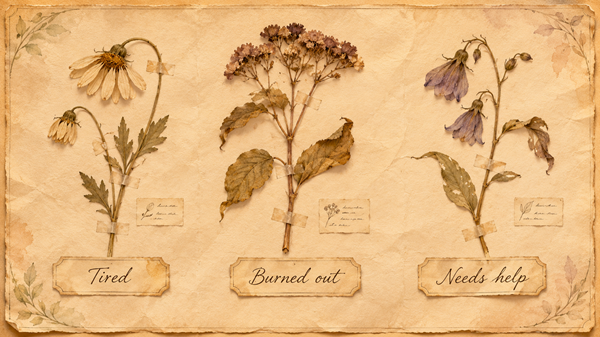
Here’s a hypothetical. A consultant has worked eleven-hour days since spring. In October she can’t start the proposal she’d normally write in an afternoon. She tells herself she’s lazy and pushes harder. Nothing improves. The word she chose is the part that doesn’t fit, because lazy people don’t feel guilty about unfinished work. If this sounds close, our post on overcoming procrastination covers the stalling side of it.
What “Nervous System Burnout” Means, and Doesn’t
The World Health Organization defines burn-out as a syndrome from chronic workplace stress that hasn’t been successfully managed. It lists three parts: feelings of energy depletion or exhaustion, growing mental distance or cynicism toward your job, and reduced professional efficacy. The WHO calls it an occupational phenomenon, says it is not classified as a medical condition and says the term applies to work, not to other areas of life.
“Nervous system burnout” isn’t in that definition. Psychologist Amy Loughman, in a piece republished by ScienceAlert, says “nervous system overload” has no clear definition and generally describes the bodily effects of stress when you feel unable to cope. She also warns about concept creep, where everyday strain gets labeled with terms meant for severe conditions. And she says there’s no clear evidence you can “reset” your nervous system. The same article reports a 2026 expert consensus statement challenging polyvagal theory, which I haven’t read myself.
That doesn’t make your exhaustion imaginary. It means the phrase is a handy way to describe it, not a diagnosis. Use it to describe how you feel, and don’t use it to diagnose yourself.
What the Research Can and Can’t Tell You
A 2025 scoping review in Frontiers in Psychology pulled together 45 existing reviews covering more than 2,000 studies. Chronic stress was consistently linked to changes in the stress-hormone system, the immune system and the autonomic nervous system, and to higher allostatic load, the wear that builds up from long strain. But results for burnout specifically were mixed. Cortisol findings pointed in different directions, and the authors concluded that no single biomarker or questionnaire could diagnose clinical burnout. I read the first part of the paper, not all of it.
So the honest summary is this. Long stress is tied to real body changes, and burnout is a recognized pattern. But there’s no lab test that proves you’re burned out, and the “nervous system” label is a way of speaking, not a measurement.
Three Letters, Three Answers
Here are three hypothetical reader letters, written to show common patterns. They aren’t real clients. The replies reflect the practical approach James R. Elliot has taught over 20+ years as an NLP Board Designated Trainer: start by seeing clearly where you are. None of them is a diagnosis.
| LETTER No. 1: THE WORN-OUT ONE From: A sales manager, after a big product launch (hypothetical) Dear Unleash Your Power: Since the launch I’ve been dragging. I can barely open my laptop. I took a long weekend away, slept a lot and by Wednesday I felt like myself again. Does that mean I’m just lazy and need to toughen up? |
THE REPLY
No. Your energy came back after real rest, which is the clearest sign this was ordinary tiredness after a hard push. A launch is a sprint, and sprints cost something.
Notice what worked: sleep, distance and a few days off. Build that into your calendar before the next big push, not after it. Take decisive action on the schedule and you won’t need to call yourself anything.
| LETTER No. 2 THE STUCK ONE From: A consultant, three months of long days (hypothetical) Dear Unleash Your Power: Weekends don’t help anymore. I’ve gone cynical about clients I used to like, and I feel like I’m faking competence. I call myself lazy because I can’t push through like I used to. |
THE REPLY
What you describe lines up with the WHO’s three parts: exhaustion, growing distance from work and a drop in how effective you feel. I can’t diagnose you, and a doctor or therapist can help you check. But “lazy” isn’t the right label.
A 2024 interview study followed 38 people previously diagnosed with a severe burnout-type condition, 6 to 10 years after treatment. Recovery was long and uneven, with setbacks that got shorter over time. Early on, people leaned on low-effort rest. Later they added shorter, more active things like walks, time with others and hobbies. Many found it hard to protect recovery once they felt better.
Start small. Pick one low-effort rest block a day, and cut one commitment from your load. For prevention ideas, read our post on staying energized to avoid burnout. Expect to build new habits over 3 to 6 months of practice, with bumps.
| LETTER No. 3 THE HEAVY ONE: From: A business owner, months of feeling flat (hypothetical) Dear Unleash Your Power: Nothing feels good anymore. Some days I can’t get out of bed and I wonder what the point is. I know I should just try harder. |
THE REPLY
This isn’t about trying harder, and it isn’t laziness. Months of flat mood, trouble functioning and thoughts like “what’s the point” deserve a conversation with a doctor or licensed therapist soon. They can look at what’s going on and offer care that fits you.
If you’re thinking about harming yourself, reach out right now. In the US, call or text 988. In Canada, call or text 9-8-8. Elsewhere, call your local emergency number. Asking for help is a strong move, not a weak one.
Rest Types at a Glance
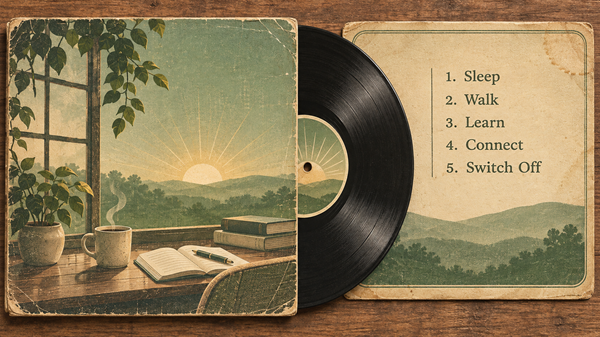
Rest isn’t one thing. The table below sets out five kinds, with what the sources say. The “strength” column is my own rough label for how solid the support is. It isn’t a formal rating. One caution from Knowable Magazine’s reporting on recovery research: stressful jobs can make recovery harder, a pattern researcher Sabine Sonnentag calls the recovery paradox, and vacation benefits faded within about a month in one study. Most of that work relies on surveys, so it shows links, not proof of cause.
| Type | What it looks like | What the sources say | Strength |
| Low-effort rest | Sleep, lying down, quiet time | Interview participants leaned on it early in recovery | Interview study only |
| Movement | Walks, light exercise | Used in later recovery. Exercise is linked to lower chronic stress | Moderate, mostly links |
| Mastery | Learning a skill outside work | Associated with more next-day energy | Small survey studies |
| Social time | Time with people you like | Reported in later recovery stages | Interview study only |
| Switching off | Mentally leaving work after hours | Associated with less work-related fatigue | Surveys, mostly links |
Rest can also work better with a short routine. Our post on why non-sleep deep rest works covers one option, and Loughman’s article adds sleep, a healthy diet, nature and creative activities to the list of habits linked with lower stress.
Stop the Self-Judgment
Shame is a poor fuel. It adds a second burden on top of the first. Try swapping the verdict for a question.
- Instead of “I’m lazy,” try “What has this been costing me?”
- Instead of “I should push through,” try “What’s one thing I can take off my plate this week?”
- Instead of “Rest is a reward,” try “Rest is part of the work.”
This is the Continuous Growth pillar at work: you improve by looking at what’s real, not by punishing yourself. If you freeze at big decisions while you’re depleted, read why your nervous system freezes before big moves. For stress tools you can use at work, see NLP for stress management in high-pressure workplaces. And if you’d like a thinking partner while you sort out your load, you can book a 30-minute connection call.
When to Get Help
This article is general education, not medical, mental health or legal advice. See a licensed doctor or therapist if exhaustion lasts for weeks, if your mood stays low, if you can’t function at work or home, or if you have thoughts of self-harm. In the US, call or text 988. In Canada, call or text 9-8-8.

Frequently Asked Questions
Is nervous system burnout a real diagnosis?
No. It’s a popular phrase without a clear definition. The WHO recognizes burn-out as an occupational phenomenon, not a medical condition, and a 2025 review found no single test that diagnoses it.
How do I know if I’m burned out or just lazy?
Ask whether real rest brings your energy back. If it does, you’re likely tired. If you also feel cynical, detached and less effective for weeks, that fits the WHO pattern. A doctor or therapist can help you sort it out. Guilt about unfinished work isn’t a sign of laziness.
How long does burnout recovery take?
It varies. In one interview study, recovery was long and uneven, and many participants still had some symptoms years later. That group had a severe burnout-type diagnosis, so your path may differ. Plan for gradual progress, with setbacks.
Can I recover without quitting my job?
Sometimes. The same interview study noted that changing workplaces, cutting stressors and getting support helped many people. If your workload is the cause, change the workload. Rest alone may not be enough.
Does a vacation fix burnout?
Not by itself. In one study of teachers reported by Knowable Magazine, the benefits of a vacation faded within about a month. Breaks help most when they come with changes to your load and daily habits.
Conclusion
Exhaustion isn’t a verdict on your character. Look at the load, protect real rest and get help when your mood stays low. Master this skill in small steps, and you’ll stop spending energy on shame. This week, pick one commitment to cut and one rest block to protect.
Unleash Your Power: Stand Out, Take Action, and Create the Success You Want.
Ready to lighten the load that’s wearing you down?
Book a 30-minute connection call and bring the one commitment that costs you the most. We’ll shape a plan you can start this week. Book your 30-minute connection call