You’re at work, dealing with back-to-back meetings, deadlines, and a never-ending list of emails. By the time you finally sit down to breathe, your mind is racing, and you can feel the tension in your shoulders. Sound familiar? If so, you’re not alone about 77% of people report experiencing regular physical symptoms of stress, from fatigue to muscle aches.
Now, what if you had tools that could bring relief exactly when you need it? Neuro-Linguistic Programming (NLP) offers effective techniques to shift your thoughts and emotions, creating space for ease even in the most demanding moments. Whether you need a quick reframing trick to change your mindset or a calming “trigger” to help you unwind, NLP methods fit easily into daily routines.
In this article, we’ll explore essential NLP Tools for Stress Management and Relaxation. You’ll learn practical exercises to calm the mind, refocus your thoughts, and tap into a more relaxed, resilient you. With these methods, you can shift from feeling stressed and stuck to calm, clear, and in control.
Let’s dive in to uncover how NLP can be your go-to toolkit for managing stress and embracing relaxation in your everyday life.
Key Takeaway:
- Neuro-Linguistic Programming (NLP) helps manage everyday stress by changing how you interpret experiences and respond to emotional triggers. Rather than eliminating stress, NLP aims to build calmer, more resourceful thought patterns. [1]
- Core techniques such as Anchoring, Reframing, Visualization, and the Swish Pattern interrupt negative mental loops, strengthen positive emotional states, and improve resilience when practiced consistently. [1]
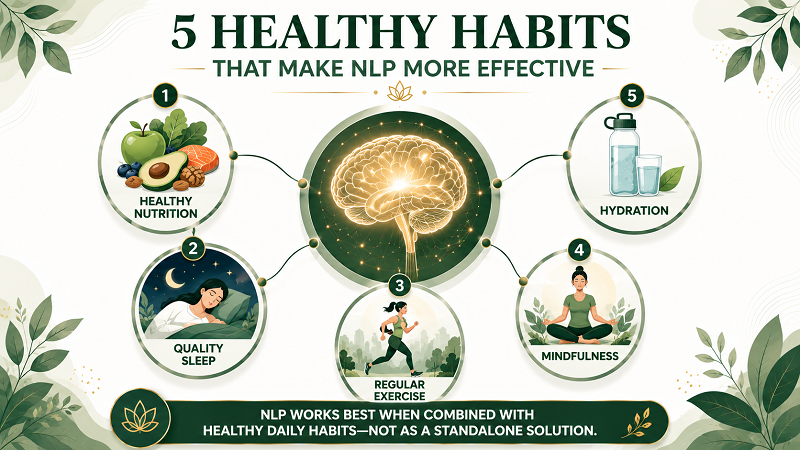
- For the best results, practice NLP daily—not just during stressful moments. Combining these techniques with healthy habits like quality sleep, regular exercise, mindfulness, and deep breathing can significantly improve emotional well-being. [1]
- While NLP can be an effective self-development tool, it should complement—not replace—professional mental health care. If stress is persistent, overwhelming, or linked to anxiety, depression, or trauma, seek guidance from a qualified healthcare professional. [2]
Bottom Line: NLP provides practical techniques to help you respond to stress with greater clarity, confidence, and emotional control. Consistent practice, combined with healthy lifestyle habits, offers the greatest long-term benefits for managing everyday stress.
- Source: Unleash Your Power – NLP Tools for Stress Management
- Source: National Institute of Mental Health – Caring for Your Mental Health
Can NLP help reduce stress?
Yes. NLP (Neuro-Linguistic Programming) can help many people manage everyday stress by changing thought patterns, emotional responses, and mental associations through techniques like Anchoring, Reframing, Swish Pattern, and Visualization. While NLP should not replace therapy for severe mental health conditions, it can be an effective complementary self-development approach for improving emotional regulation and resilience.

Understanding Stress: What Happens in the Brain and Body
The stress response is your body’s built-in alarm system that enables rapid reactions to danger. When your brain senses a threat, the amygdala signals the release of stress hormones like adrenaline and cortisol. Adrenaline raises your heart rate and sharpens focus, while cortisol boosts energy by increasing blood sugar. This quick response keeps you alert and ready to handle sudden challenges or emergencies.
While helpful in the short term, frequent activation of the stress response can harm both mind and body. Adrenaline and cortisol put you on high alert: heart rate rises, breathing becomes rapid, and blood flow shifts to muscles. Continuous stress keeps the body in a heightened state, draining energy over time.
Elevated cortisol can suppress immune function, making you more susceptible to illness, while prolonged adrenaline levels may contribute to high blood pressure and heart strain. Mentally, long-term stress clouds focus, impairs memory, and increases anxiety or irritability as the brain struggles to find balance.
Unmanaged stress can reshape brain pathways, reinforcing “fight or flight” tendencies. Understanding how stress impacts us sets the stage for exploring effective ways to manage it. That’s why effective stress management is essential.
Who Can Benefit from NLP for Stress Management?
NLP can be valuable for anyone who regularly experiences stress, whether it’s caused by work, relationships, studies, or personal challenges. Because stress affects everyone differently, NLP offers flexible techniques that can be adapted to individual situations and goals.
People who may benefit include:
- Professionals dealing with workplace pressure and tight deadlines.
- Students preparing for exams or presentations.
- Entrepreneurs managing uncertainty and decision fatigue.
- Parents balancing family and career responsibilities.
- Public speakers looking to reduce performance anxiety.
- Athletes seeking better focus before competitions.
- Anyone who wants to develop healthier emotional responses to everyday stress.
Signs Stress May Be Affecting You
Stress often develops gradually, making it difficult to recognize until it begins affecting daily life. Understanding the warning signs can help you take action before stress becomes overwhelming.
Common signs include:
- Constant overthinking
- Difficulty concentrating
- Feeling emotionally exhausted
- Muscle tension or headaches
- Irritability or mood swings
- Poor sleep quality
- Lack of motivation
- Feeling overwhelmed by simple tasks
Recognizing these symptoms early allows you to apply stress-management techniques before they become long-term habits.
4 Effective NLP Tools for Stress Management and Relaxation
NLP, or Neuro-Linguistic Programming, offers tools to manage stress in a simple yet powerful way. Here, I’ll walk you through four effective NLP techniques for stress management, breaking down how each works and when to use it. Each technique is designed to help you replace stress with calmness and confidence, so you can approach challenges with a clear, relaxed mind.

The Fast Phobia Cure: Easing Situational Stress Quickly
The Fast Phobia Cure is ideal for overcoming stress tied to specific situations, like public speaking, interviews, or a big presentation. This technique helps you distance yourself from intense feelings by mentally “replaying” the stressful event in a way that reduces its impact.
The Fast Phobia Cure is like hitting a “pause button” on overwhelming emotions, letting you mentally rehearse facing the situation calmly and confidently.
Step-by-Step Guide:
- Visualize the Situation: Imagine yourself in the stressful situation, but see it projected on a movie screen rather than experiencing it firsthand. This separation reduces emotional intensity.
- Alter the Imagery: Change the movie to black and white, making it less vivid and impactful.
- Fade and Shrink the Scene: Gradually shrink the image and let it fade away. Repeat this process until you feel calmer about the situation.
The Dissociation Technique: Creating Mental Distance from Overwhelming Emotions
The Dissociation Technique is useful when emotions become overpowering, such as during an argument or a high-stakes decision. This method helps you observe the situation calmly instead of being consumed by it.
Think of it like taking a bird’s-eye view, gaining clarity by reducing the emotional charge of the situation.
Step-by-Step Guide:
- Step Outside Yourself: Picture yourself stepping out of your body and viewing the situation from a third-person perspective.
- Observe Without Judgment: Notice details as a neutral observer, which shifts your mind from emotional to logical thinking.
- Store the Perspective: Remember this detached viewpoint to apply it whenever stress arises.
Anchoring Relaxation: Creating a “Calm Trigger” You Can Use Anytime
Anchoring is like programming a personal “reset button” that brings on calmness instantly. It’s perfect for quick relief before meetings or during tense moments.
Imagine you’re about to enter an important meeting and feel anxious. Using anchoring, you can tap into a moment when you felt completely at ease, helping you proceed with confidence.
Step-by-Step Guide:
- Recall a Peaceful Memory: Think of a specific time when you felt relaxed and at peace. Fully immerse yourself in that feeling.
- Create the Anchor: While experiencing this calmness, press a spot on your hand or wrist and repeat a calming word like “peace” or “relax.”
- Reinforce the Anchor: Practice this several times so the gesture and word become linked to the feeling of calmness.
The Swish Pattern: Replacing Negative Reactions with Confidence
The Swish Pattern helps break automatic negative responses to stress, replacing them with positive reactions. It’s especially useful for habitual stress triggers.
Think of it as swapping out an old, blurry photo for a bright, clear one, changing how you perceive stressful situations.
Step-by-Step Guide:
- Identify the Stressful Image: Visualize the situation that causes you stress, making the image small and dim.
- Create a Positive Image: Envision yourself handling the situation confidently, making this image bright and vivid.
- Swap the Images: Quickly replace the stressful image with the confident one. Repeat this until the positive image becomes your automatic response.

Daily NLP Practice for Better Stress Management
You don’t need hours of practice to experience the benefits of NLP. A simple daily routine can help strengthen emotional resilience and improve your ability to manage stressful situations.
Consider following this routine:
- Spend two minutes practicing deep breathing.
- Use your preferred NLP Anchor before beginning work.
- Reframe one negative thought into a more constructive perspective.
- Visualize yourself successfully handling an upcoming challenge.
- End your day by reflecting on one situation you managed better than before.
Small, consistent habits often create lasting improvements in emotional well-being.
Combining NLP with Other Relaxation Techniques for Maximum Impact
Combining NLP with methods like mindfulness, breathing exercises, and visualization offers a comprehensive approach to managing stress.
NLP + Mindfulness: Creating a Personal “Calm Button”
Pair mindfulness with NLP’s Anchoring technique to create a quick-access calm trigger.
How to Do It:
- Practice Mindful Breathing: Focus on your breath to stay present.
- Set the Anchor: When feeling calm, press your thumb and index finger together or repeat a calming word.
- Use the Anchor Regularly: Activate this anchor whenever you need to quickly regain calmness.
NLP + Breathing Exercises: Moving from Stress to Focus Quickly
Combine deep breathing with the Dissociation Technique for enhanced mental clarity.
How to Do It:
- Engage in Box Breathing: Inhale for four counts, hold, exhale, and pause.
- Apply Dissociation: Imagine observing yourself handling stress calmly.
- Merge the Techniques: This combination helps you feel centered and in control.
| NLP Tool | Best For | Time Needed | Difficulty |
|---|---|---|---|
| Anchoring | Anxiety | 2 minutes | Easy |
| Swish Pattern | Negative thoughts | 5 minutes | Medium |
| Reframing | Overthinking | 3 minutes | Easy |
| Visualization | Public speaking | 5 minutes | Easy |
NLP + Visualization: Replacing Stress with Confidence
Use visualization alongside the Swish Pattern to transform stress responses.
How to Do It:
- Visualize the Stressful Scenario: Keep the image small and faint.
- Create a Confident Image: Make a vivid picture of yourself handling it calmly.
- Perform the Swish: Swap the images repeatedly to retrain your response.
A Complete Routine: Combining NLP, Mindfulness, and Breathing
Integrate these techniques into a daily routine for lasting resilience.
How to Do It:
- Start with Mindfulness: Ground yourself each morning or evening.
- Practice Deep Breathing: Relax your body further.
- Apply NLP Techniques: Use anchoring or the Swish Pattern to reinforce calmness.
- Set a Regular Time: Incorporate this routine into your daily schedule for consistency.
Practical Tips for Independent NLP Practice
Making NLP part of your daily life can enhance emotional resilience.
- Start Small: Dedicate 5–10 minutes daily to one technique. Set aside a specific time, like during your morning coffee or before bed.
- Practice Anchoring: Link a positive emotion to a simple gesture for quick access to calmness.
- Track Emotional Shifts: Keep a journal of your moods to see what’s working.
- Use Visualization: Regularly imagine yourself successfully handling stressful situations.
- Review and Adjust: Reflect every few weeks and tweak your practice as needed.
Common Mistakes When Using NLP for Stress
Like any personal development method, NLP requires consistent practice and realistic expectations. Avoiding these common mistakes can help you achieve better results.
- Expecting immediate, permanent results after one session.
- Using NLP only during highly stressful situations instead of practicing regularly.
- Choosing weak emotional memories when creating Anchors.
- Giving up before new thinking patterns become habits.
- Ignoring physical health factors such as sleep, nutrition, and exercise.
NLP is most effective when it becomes part of your everyday self-care routine rather than an occasional emergency tool.
When NLP May Not Be Enough
Although NLP can be an effective tool for managing everyday stress, it is not intended to replace professional medical or psychological treatment.
If stress is accompanied by persistent anxiety, panic attacks, severe depression, trauma-related symptoms, or thoughts of self-harm, it is important to seek support from a qualified mental health professional. NLP can complement evidence-based care, but it should not be viewed as a substitute for appropriate diagnosis or treatment.

FAQs
Can NLP reduce everyday stress?
NLP can help many people manage everyday stress by changing negative thinking patterns and improving emotional responses. Consistent practice is generally more effective than using NLP only during stressful moments.
How long does it take to see results with NLP?
Some people notice changes after practicing certain techniques for just a few sessions, while others experience gradual improvements over several weeks of consistent use. Individual results vary depending on the person and the situation.
Can beginners practice NLP on their own?
Yes. Many NLP techniques, such as Anchoring, Visualization, and Reframing, can be learned and practiced independently. Working with a qualified NLP practitioner may provide additional guidance for more complex challenges.
Is NLP suitable for workplace stress?
Yes. Many professionals use NLP techniques to improve focus, reduce performance anxiety, communicate more effectively, and manage workplace pressure.
Article Summary
Stress is a natural part of life, but it doesn’t have to control your thoughts or emotions. Neuro-Linguistic Programming (NLP) provides practical techniques such as Anchoring, Reframing, Visualization, and the Swish Pattern to help you respond more effectively to stressful situations. When practiced consistently and combined with healthy lifestyle habits, NLP can improve emotional resilience, boost confidence, and support better stress management in both personal and professional life.
Conclusion
NLP provides accessible, effective tools for stress management by helping you transform your thoughts and reactions to challenging situations. Techniques like anchoring, visualization, and reframing enable you to handle pressure with calmness and clarity, building resilience over time. By integrating these practices into your daily life, you can approach stress in a way that supports your well-being and focus.
Ready to experience the benefits of NLP firsthand? Start today by trying out the Anchoring technique during your next stressful moment. By incorporating NLP into your routine, you can achieve long-lasting mental well-being and resilience.