

The best NLP certification path in 2026 depends on your niche: Choose Toronto if you target lucrative corporate contracts focused on AI adaptation and measurable performance; choose Vancouver if you prioritize wellness, human-centered transformation, and holistic client integration. Success in the competitive, AI-enhanced market is determined by specialization and ethical tech integration, not the training location alone.
Key Takeaway:
- Toronto’s NLP training targets corporate clients with AI-integrated business applications and digital transformation, while Vancouver focuses on wellness, mindfulness, and somatic approaches both offer hybrid models with online core and in-person intensives for flexible access. [1]
- Participants gain specialized skills in high-demand niches like AI adaptation coaching (Toronto) or resilience training (Vancouver), ethical AI tools for scaling, and practical NLP techniques for measurable outcomes in a $5.8 billion coaching industry boosted by AI growth. [1]
- Schedules include 7-10 day immersives (Vancouver with digital detox) or 8-day AI-enhanced certifications (Toronto); costs range $1,800-$3,500 CAD (Toronto) or $2,200-$3,000 CAD (Vancouver), including mentorship and tools register via NLP Canada Training or aligned providers. [2]
- Choose Toronto for corporate/tech ROI or Vancouver for holistic fulfillment; avoid generic coaching in a saturated market prioritize philosophical alignment over location, and ensure specialization for long-term success. [2]
Bottom Line: Select Toronto for AI-driven business NLP or Vancouver for wellness-focused training based on your niche both hybrid programs equip you for a booming industry, but specialize and align philosophy for maximum impact.
The choice between Toronto and Vancouver for your NLP certification isn’t just about geography; it’s about positioning yourself for the next evolution of coaching. Both cities anchor Canada’s thriving coaching ecosystem, but they offer distinctly different pathways to mastery in an industry that’s fundamentally transforming. Toronto pulses with AI-enhanced business coaching and corporate innovation, while Vancouver integrates human-centered approaches with emerging wellness technologies.
If you’re weighing your options right now, you’re navigating a pivotal moment. The global coaching industry has reached $5.8 billion and is projected to hit $9.5 billion by 2032, with AI-driven platforms alone expected to exceed $1 billion in value by the end of this year. The practitioners thriving in 2026 aren’t just certified, they’re specialized, tech-savvy, and strategically positioned in markets hungry for transformation.
Here’s what you need to know to choose the path that unleashes your potential in this new landscape.
The Current State of NLP Training in Canada
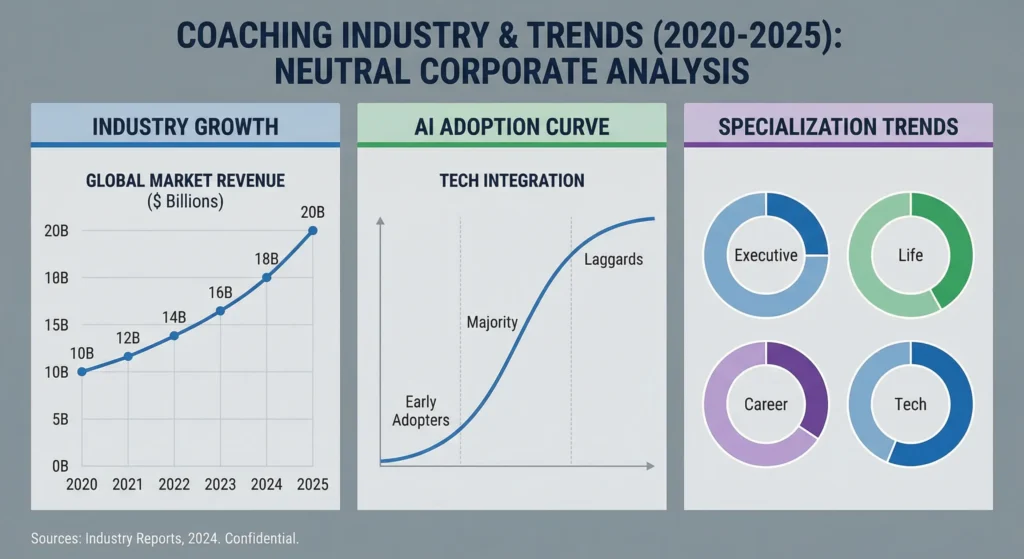
Canada’s coaching market is experiencing unprecedented expansion. As part of North America’s coaching ecosystem, which now supports over 122,000 practitioners globally, representing a 15% increase since 2023, Canadian professionals are investing in transformation at record levels. NLP training programs across Canada have evolved beyond recognition, now integrating AI co-pilots, real-time analytics, and hybrid delivery models that were science fiction just five years ago.
The global coaching industry generating $5.8 billion in 2026 reflects a fundamental shift: coaching is no longer emerging it’s mainstream. What distinguishes successful practitioners now isn’t just certification, but specialization in high-demand niches. AI adaptation coaching, resilience training for hybrid teams, and data-driven leadership development are commanding premium rates while generic “life coaching” struggles against market saturation.
Both Toronto and Vancouver mirror broader trends reshaping the profession: the rise of coachbots as co-pilots rather than replacements, the integration of generative AI for client matching and progress tracking, and an accelerating shift toward micro-coaching sessions designed for time-starved professionals. The question isn’t whether to get certified, it’s where your training will position you to leverage these transformations.
The generational shift is also reshaping the landscape. Gen X now represents 53% of coaches, while Baby Boomers decline to 35%, bringing different specialization priorities and technology adoption rates. Millennial coaches focus less on traditional executive coaching and more on career pivots, remote work optimization, and purpose-driven leadership, exactly the niches where Toronto and Vancouver’s distinct ecosystems create different advantages.
What Makes Toronto’s NLP Training Landscape Unique in 2026?
Toronto’s position as Canada’s AI and fintech capital infuses its NLP training scene with cutting-edge advantages. The city attracts professionals seeking to integrate NLP with emerging technologies, executives navigating AI transformation, entrepreneurs building tech-enabled businesses, and aspiring coaches who need techniques that translate to data-driven decision-making and virtual leadership.

Training Providers and Certification Options
Toronto hosts established programs like NLP Canada Training, now offering AI-enhanced 8-day certifications that incorporate generative AI tools for session preparation and client progress tracking. These programs emphasize practical application in technology-forward environments, with PhD-level facilitators who bridge neuroscience research with real-world effectiveness. You’ll find options ranging from intensive hybrid formats to fully virtual cohorts that leverage AI coaching co-pilots.
The city’s training ecosystem includes internationally recognized programs affiliated with the NLP Leadership Forum, which now requires demonstrated competency in integrating AI tools ethically. This matters when competing in a saturated market; clients and organizations value certifications that prepare you for coaching in 2026’s technology-augmented reality, not 2020’s purely human-to-human model. Toronto’s comprehensive online certification options maintain rigorous standards while teaching you how to leverage technology without losing the human connection that makes coaching transformative.
Cost Considerations and Value Propositions
Toronto’s NLP training ranges from $1,800 to $3,500 CAD for practitioner-level certification in 2026, with premium programs including AI tool licenses and ongoing access to updated methodologies. While this represents a significant investment, the city’s concentration of tech startups, scale-ups, and enterprises creates faster ROI potential. Toronto-certified coaches specializing in AI adaptation or digital transformation report booking corporate contracts within their first quarter post-certification.
The value extends beyond the certificate to include business-building in the AI age, how to position yourself as a guide through technological disruption, navigate data privacy in coaching relationships, and scale your impact through coachbot partnerships. You’re not just learning NLP; you’re learning how to build a sustainable practice in Canada’s most competitive and lucrative coaching market.
Business Networking and Post-Certification Opportunities
Here’s where Toronto truly excels: opportunity density in high-growth sectors. The city’s concentration of AI companies, fintech firms, and professional service organizations creates abundant demand for NLP and business coaching integration focused on technological adaptation. Networking events now blend in-person gatherings with virtual community platforms, providing steady channels for client acquisition across hybrid work environments.
Toronto’s coaching community is collaborative yet intensely competitive, pushing you to sharpen your specialized expertise and differentiate through measurable outcomes. The city’s multicultural fabric and position as an AI hub also prepare you to work with globally distributed teams, an increasingly valuable capability as coaching transcends geography through digital delivery platforms.
How Does Vancouver’s NLP Training Scene Compare in 2026?
Vancouver approaches NLP training through a distinctly human-centered lens while embracing technology thoughtfully. The West Coast emphasis on wellness, regenerative practices, and work-life integration shapes how programs are structured and delivered. If your coaching vision centers on helping clients navigate success without burnout in our technology-saturated world, Vancouver’s ecosystem offers compelling advantages.
West Coast Training Philosophy and Approaches
Vancouver’s NLP programs emphasize experiential learning and embodied transformation alongside technological competency. Training often incorporates nature-based sessions, somatic awareness practices, and eco-coaching principles reflecting growing demand for coaches who help clients stay grounded amid rapid change. Programs like those offered through Vancouver’s hands-on training approach pride themselves on small cohorts that foster deep practitioner relationships while teaching ethical AI integration.
The city attracts trainers who’ve thoughtfully blended NLP with complementary modalities, outdoor coaching, mindfulness-based stress reduction, and indigenous wisdom practices. This creates rich learning experiences, particularly valuable for coaches specializing in health and wellness, career transitions toward meaningful work, or supporting clients recovering from burnout. Ensure your chosen program maintains rigorous NLP standards while exploring these integrations.
Pricing and Program Structures
Vancouver’s NLP practitioner certifications range from $2,200 to $3,000 CAD in 2026, positioned competitively with Toronto when considering the comprehensive skill sets developed. Many programs bundle access to AI coaching tools, outdoor coaching insurance, and extended mentorship circles, potentially offering greater value for practitioners building holistic transformation practices.
The city’s programs continue to favor intensive immersive formats of 7-10 consecutive days that accelerate learning through full presence, now often incorporating “digital detox” components that model the boundaries clients increasingly seek. This approach creates powerful transformation and group cohesion, though it requires more upfront time commitment. Consider your learning style and whether you’re drawn to intensity or gradual integration.
The Vancouver Coaching Community
Vancouver’s coaching scene remains notably collaborative, with the smaller community fostering mentorship networks and cross-referrals. The trend toward outdoor and nature-based coaching continues to accelerate post-pandemic, with practitioners differentiating through offerings like forest therapy integration, mountain coaching retreats, and ocean-side transformation experiences.
Practitioners often specialize in wellness coaching, relationship transformation, career pivots toward sustainability sectors, or helping high-achievers prevent burnout. If your ideal client seeks life-work integration over pure performance optimization, Vancouver’s values alignment and collaborative community may accelerate your practice growth faster than Toronto’s competitive intensity.
Which City Offers Better Value for Aspiring NLP Coaches in 2026?
Both cities excel in different dimensions; your “better value” depends entirely on your specialization and how you plan to leverage technology in your practice.
Choose Toronto if you’re targeting corporate clients navigating digital transformation, executives adapting to AI-augmented work, or entrepreneurs building tech-enabled businesses. The city’s density of innovation-focused organizations, higher average coaching fees ($280+ per hour for specialized practitioners), and emphasis on measurable ROI create ideal conditions for building a successful coaching practice focused on technological adaptation and performance optimization. Your certification investment pays back faster when serving clients who expense coaching through professional development budgets and value data-driven progress tracking.
Vancouver makes strategic sense if you’re drawn to wellness-focused transformation, helping high-performers prevent burnout, or supporting clients making meaning-driven career transitions. The city’s values alignment, nature-based coaching community, and growing market for regenerative leadership attract clients willing to invest in longer-term transformation partnerships. You’ll find particular traction if you position yourself as the alternative to Toronto’s intensity, the coach who helps successful people recalibrate success itself.
Market dynamics have shifted since 2024. Toronto’s population concentration (6M+ in GTA vs. Vancouver’s 2.8M) still means more potential clients, but AI-enabled virtual delivery has equalized geographic advantages. What matters more now is specialization, clarity and your ability to articulate transformation in language that resonates with your chosen niche. Vancouver coaches are successfully serving Toronto corporate clients virtually, while Toronto coaches work with Vancouver wellness sector leaders.
Consider the hybrid approach gaining traction: train where you resonate philosophically, then build your practice serving your specialized niche, regardless of geography, through strategically designed online delivery. Your Toronto certification holds value serving Vancouver clients and vice versa. What determines success is expertise depth, specialized positioning, and authentic alignment with your coaching philosophy rather than training location alone.
Key Trends Shaping NLP Training in Both Cities
Understanding macro trends helps you choose training that prepares you for tomorrow’s opportunities, not yesterday’s market.
Virtual and Hybrid Training Models
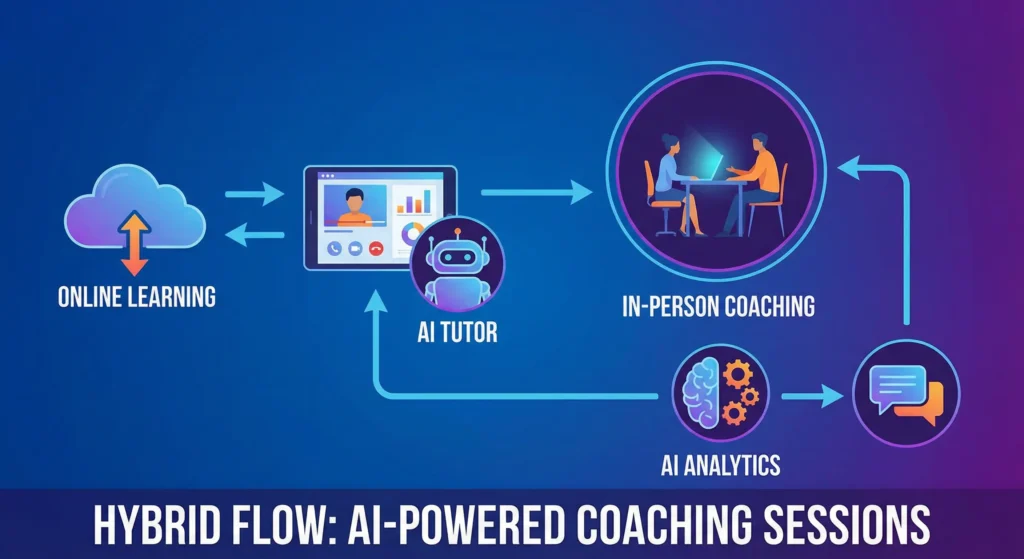
The hybrid delivery models now standard across Canadian NLP training offer unprecedented flexibility. You can complete core learning online, then attend in-person intensives for hands-on practice and certification assessments. This format democratizes access; you’re no longer limited to programs within driving distance.
Both Toronto and Vancouver programs have adapted impressively. Virtual sessions maintain rigor through breakout practice, recorded demonstrations, and structured feedback loops. The key is ensuring your program includes sufficient live interaction. NLP mastery requires real-time rapport building and sensory acuity practice that pre-recorded content can’t provide.
Specialized Coaching Niches Emerging
Generic coaching is dying; specialized expertise is thriving. Both cities are seeing practitioners carve out emerging coaching specializations in areas like AI adaptation coaching, resilience training for remote teams, and negotiation mastery for women leaders.
Your training choice should consider which specializations each city’s programs emphasize. Toronto programs often include more business application examples, sales conversations, leadership communication and organizational change. Vancouver programs may offer deeper explorations of personal identity, values alignment, and integrative wellness.
The most successful new practitioners are choosing specializations before certification, then selecting training programs that provide relevant case studies and practice scenarios. Think beyond the certificate to the specific transformation work you want to be known for.
Integration of Technology and AI
Both cities are grappling with AI’s role in coaching. Progressive programs are teaching practitioners how to leverage technology for client assessments, progress tracking, and scalable delivery without losing the human connection that makes coaching transformative.
Toronto’s tech-forward culture means programs may integrate more digital tools and analytics into training. Vancouver’s human-centered approach emphasizes technology as a supplement, not a replacement, for practitioner intuition and presence. Neither approach is wrong; consider which philosophy aligns with how you envision your practice operating.
Conclusion
Toronto and Vancouver each offer world-class NLP training pathways, shaped by distinct values and market opportunities. Toronto positions you for business coaching scale and corporate impact. Vancouver prepares you for holistic transformation work with clients seeking integration and fulfillment. Both cities reflect the broader evolution of coaching toward specialization, hybrid delivery, and measurable outcomes.
Your choice isn’t just about training location, it’s about aligning with a community and approach that resonates with your vision for impact. One graduate of a comprehensive NLP practitioner program discovered unexpected clarity about integrating techniques into her business, gaining the professional edge that elevated her entire practice. That transformation begins with choosing training that challenges and supports your growth.
The NLP training and life coach certification you pursue today shapes the clients you’ll attract, the transformation you’ll create, and the success you’ll achieve. Both cities prepare you for excellence. Your task is to choose the path that unleashes your unique potential. Where will your mastery journey begin?
FAQs
1. How has AI changed NLP training in Canada?
AI is now integrated into Canadian NLP training as a co-pilot, not a replacement. Progressive programs teach practitioners to use generative AI for session preparation, client progress tracking, and scalable delivery models. This shift emphasizes specialized, tech-savvy coaching that maintains the crucial human-to-human connection and ethical practice.
2. Which city offers a better return on investment (ROI) for NLP certification?
Toronto offers a faster ROI potential for coaches specializing in AI adaptation, digital transformation, and corporate contracts, due to its high density of tech-focused enterprises and higher average coaching fees (>$280/hr). Vancouver offers value through specialized, long-term wellness and fulfillment-focused transformation practices, aligning with a demand for holistic integration.
3. Is a generic “life coach” certification still viable in 2026?
Generic “life coaching” is struggling against market saturation and is no longer highly viable. The $5.8 billion industry now rewards practitioners who choose a clear, specialized niche, such as resilience for remote teams or career pivots for Millennials and can articulate transformation with measurable, data-driven outcomes.
4. What are the pricing differences between Toronto and Vancouver NLP certifications?
Toronto’s practitioner certifications typically range from $1,800 to $3,500 CAD, with premium programs often including AI tool licenses. Vancouver’s range is competitively similar, from $2,200 to $3,000 CAD, often bundling outdoor coaching insurance or extended mentorship circles that align with its human-centered, immersive philosophy.