

“Move the needle” means making a meaningful impact or producing noticeable results. It is commonly used in business to describe actions that significantly improve performance, growth, or outcomes.
Most people use the phrase “move the needle” without really understanding what it means. In reality, it’s not about small changes, it’s about actions that create measurable impact.
Ever feel like you’re working hard but not really getting anywhere? Like you’re busy all day but still stuck in the same spot? That’s where the idea of moving the needle comes in. It means making real progress that actually counts and pushes you forward. It’s not about being perfect or doing everything at once. It’s about taking action that creates momentum.
Whether you’re chasing a personal goal, building a business, or just trying to get through a packed to-do list, success isn’t about giant leaps; it’s about consistent, intentional steps.
In this guide, we’ll show you how to move the needle today with practical actions, smart systems, and a mindset that actually helps you move forward. No more waiting for the perfect moment. Let’s start right now.
Key Takeaway:
- “Moving the needle” means focusing on a small number of high-impact actions that directly drive measurable business growth, such as revenue, client acquisition, or operational efficiency, not just staying busy with low-value tasks.
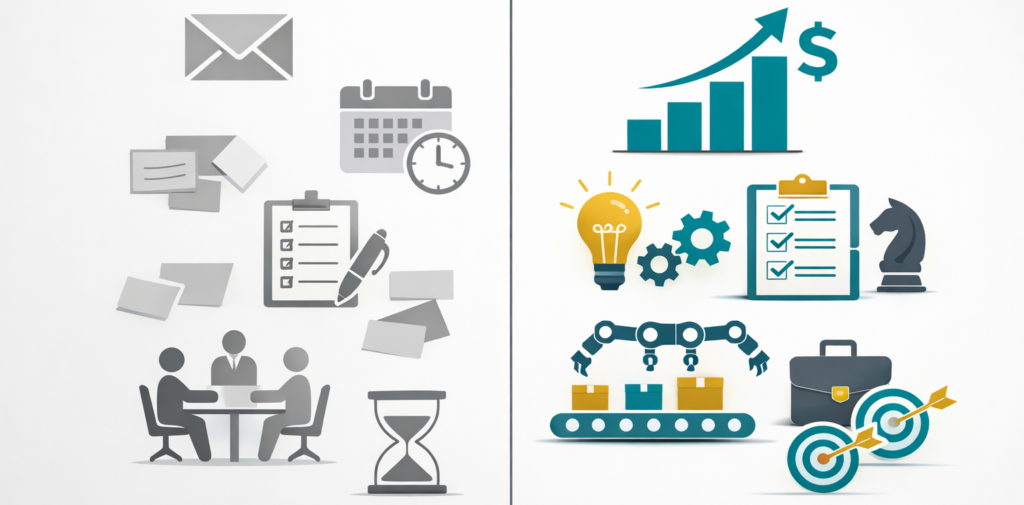
- High-impact activities typically include strategic planning, offer optimization, sales conversations, and system building, while emails, minor tweaks, and reactive work often create the illusion of progress without real results.
- The key shift is prioritization: identify the 20% of actions that produce 80% of outcomes (Pareto principle) and double down on those consistently instead of spreading effort across everything.
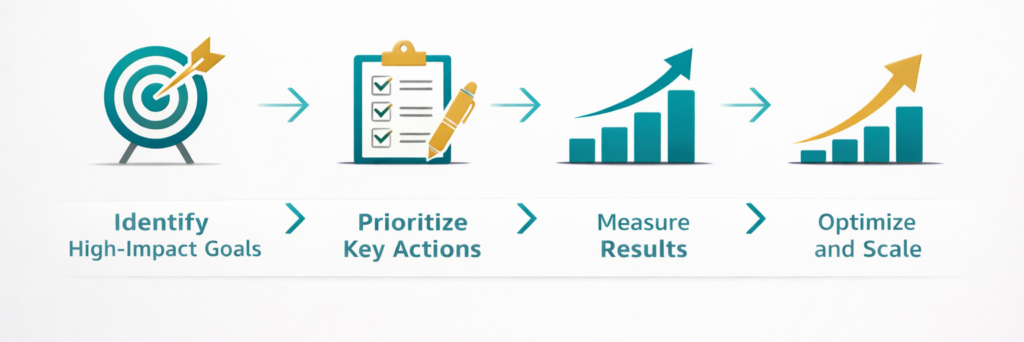
- Execution framework: define a clear growth metric, eliminate distractions, schedule focused deep work, and track outcomes weekly to ensure your efforts are actually moving results forward.
- Common mistake: confusing activity with impact. If a task doesn’t clearly tie to revenue, growth, or scalability, it’s likely not moving the needle.
Bottom Line: Moving the needle isn’t about doing more, it’s about doing what matters most. Focus on high-leverage actions that directly impact growth, and eliminate everything that doesn’t.
- Source: Unleash Your Power – How to Move the Needle
- Source: Unleash Your Power – Business Growth & Leadership Insights
What Does It Mean to “Move the Needle”?
“Move the needle” means creating a noticeable or measurable change in a result, especially in business performance, growth, or progress. It refers to actions that have a real impact rather than minor or insignificant efforts.
“Moving the needle” means doing something that truly matters, something that brings you closer to your goals in a noticeable way. It’s not about being busy or checking off a dozen small, low-impact tasks. It’s about taking clear, focused action that creates momentum and drives real progress. Whether it’s for your health, business, mindset, or relationships, moving the needle means doing the work that counts.
Examples of “Move the Needle”
- Increasing revenue through a new high-converting offer
- Improving productivity by automating repetitive tasks
- Launching a marketing campaign that drives significant traffic
- Focusing on high-impact activities instead of busy work
How to Actually “Move the Needle”?
To move the needle, focus on actions that directly affect outcomes, not just activity. This includes prioritizing high-impact tasks, measuring results, and eliminating low-value work that doesn’t contribute to growth.
Why You Feel Stuck
Feeling stuck often comes from having too many goals, too many choices, or simply not knowing where to start. You might be waiting for the “right time” or a perfect plan, but that rarely comes. Sometimes it’s fear, fear of failing or even fear of succeeding, that holds you back. Most of all, it’s a lack of clarity. When you’re unsure what truly matters, it’s easy to stay busy without actually moving forward. That’s why getting focused is key.
How to Create Immediate Success
Let’s get one thing straight: waiting for the “right” time is often just a sneaky way to stay stuck. You don’t need a perfect plan or endless motivation to get started. You just need one clear step and a willingness to take it.
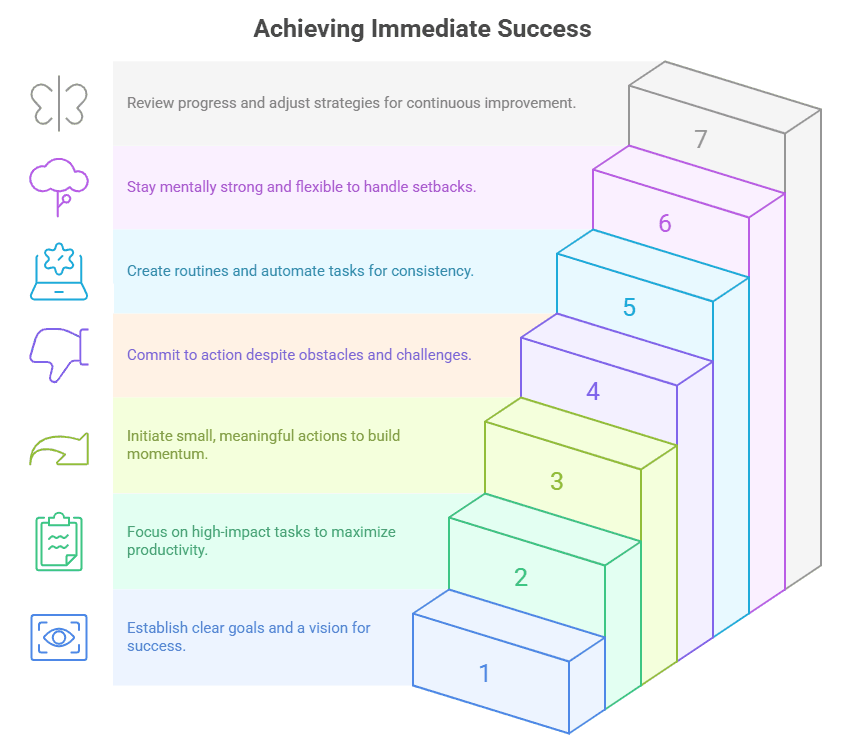
Immediate success isn’t about doing more; it’s about doing what matters most. The following roadmap gives you a simple way to move forward today, without overthinking or burning out.
Step 1: Get Clear on Your Destination
Success needs direction. Before you can take action, you need to know what you’re working toward. Ask yourself:
- What does success mean to me right now?
- What would progress look like in the next 7 days?
- What result do I want by the end of this month?
Once you’ve defined your vision, break it down into specific, realistic goals. Use the SMART method (Specific, Measurable, Achievable, Relevant, Time-bound) to bring structure to your goals. Then map out a simple, flexible plan to guide you forward, even if you have to adjust along the way.
Step 2: Prioritize What Really Matters
It’s easy to get lost in busywork responding to emails, tweaking a design, organizing your notes but are those things really moving you forward?
Start each day by listing the things you think are important. Then number them by impact, not just urgency. Tackle the top 1–2 tasks that will make the biggest difference. As Brian Tracy says, “Eat that frog.” Handle the scariest, ugliest, most meaningful task first while your energy is at its peak.
Don’t confuse activity with productivity. Focus on progress, not perfection.
Step 3: Take Action Even If It’s Small
You don’t need to take a huge leap. Start with something small and focused that aligns with your goal. Action is what breaks fear, builds confidence, and creates momentum.
Ask yourself: What is one thing I can do today that moves me closer to my vision?
It could be sending an email, pitching an idea, writing one paragraph, or doing a 15-minute workout. The size doesn’t matter; what matters is that it’s meaningful and intentional.
Step 4: Drop the Excuses and Find a Way
We all have reasons not to act, no time, no energy, no clarity. But if we wait until everything is perfect, we’ll be waiting forever. There will always be something in the way.
Instead, commit to doing something anyway. Record that video while out walking. Make that call even if it’s uncomfortable. You don’t need ideal conditions, just a little courage and creativity.
Success doesn’t come from ease. It comes from commitment, even on the hard days.
Step 5: Use Systems to Stay Consistent
Systems help turn effort into momentum. Create routines that make taking action feel natural, even when motivation is low.
Here’s how to systemize your success:
- Schedule your priorities. Put them in your calendar like non-negotiable appointments.
- Automate what you can. Use tools that save time and keep you focused (like automatic reminders, follow-ups, or templates).
- Remove friction. Lay out your workout clothes the night before. Keep your workspace clean. Set up your environment for success.
The more you support your habits, the more success becomes automatic.
Step 6: Stay Mentally Strong and Flexible
Your mindset is your fuel. Stay focused, but be kind to yourself. You won’t always feel confident, and that’s okay.
Here’s how to stay mentally in the game:
- Believe in your ability to figure it out, even if you don’t know all the steps yet.
- Practice self-compassion when things don’t go as planned.
- Celebrate small win,s they build momentum.
- Practice daily gratitude to stay connected to what is working.
A resilient mind keeps you moving, even when progress feels slow.
Step 7: Reflect, Refocus, Repeat
At the end of each week, check in:
- What moved the needle this week?
- What felt like wasted energy?
- What small tweak could improve my progress next week?
Reflection keeps you intentional. Refocusing helps you stay aligned. And repeating the process creates consistency, which leads to results.
Final Thoughts: Just Start
You don’t need to change everything. You just need to take the next right step. Focus on what actually matters. Show up, do it with intention, and let that momentum build.
Two or three high-impact actions a day, that’s all it takes to create massive progress over time. Multiply that by five days a week, and you’re looking at 600+ meaningful wins a year.
So stop waiting. Pick one task that will move the needle and do it today. Because the life you want isn’t built on someday, it’s built one powerful step at a time.
Frequently Asked Questions
How can I move the needle in my life step-by-step?
Start by identifying your top priority, break it into one clear action step, then commit to doing it consistently. Track outcome, adjust as needed, and repeat to build momentum toward meaningful success.
What’s the value of small wins when trying to move the needle?
Small, consistent wins build momentum, reinforce habits, and contribute to larger achievements over time. They offer visible progress, increasing motivation and confidence to tackle bigger challenges.
Why is “moving the needle” important?
Moving the needle is important because it helps individuals and businesses focus on results that truly matter. Instead of spending time on low-value or repetitive tasks, it encourages prioritizing actions that directly influence outcomes like revenue, productivity, or growth. This leads to better decision-making and more efficient use of resources.
What does “move the needle” mean in business?
In business, “move the needle” refers to actions that create measurable improvements in performance, such as increasing revenue, improving efficiency, or accelerating growth. It highlights efforts that produce real, noticeable outcomes rather than minor or insignificant changes. Companies often use this phrase to prioritize high-impact strategies.
How do you identify what moves the needle?
Examples include increasing sales through a high-converting offer, improving team productivity with automation, or launching a marketing campaign that drives significant traffic. It can also mean focusing on key performance metrics and eliminating tasks that don’t contribute to meaningful progress.